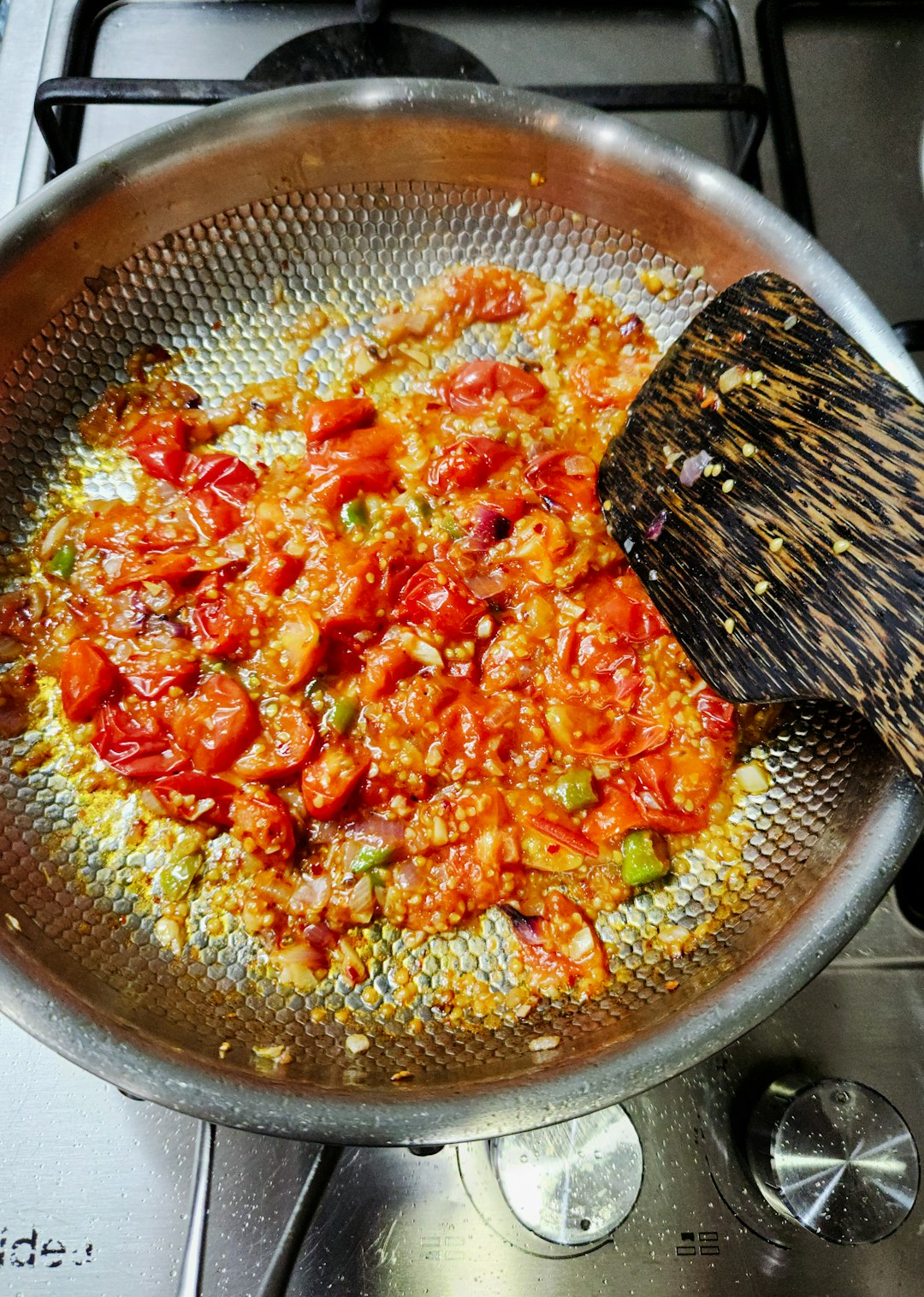
Explore the role of acidity in pasta sauces and its impact on overall flavor balance.
Acidity in pasta sauces can make or break your dish. It's a balancing act, really. Too much acidity, and the sauce is sharp and unpleasant. Too little, and it lacks that zing. So, how do you get it right? First off, consider using brown sugar. A little goes a long way in taming the acidity without making the sauce cloyingly sweet. Brown sugar's molasses content adds depth, subtly rounding out the flavors. Another option is baking soda. It's a bit of a magic trick. Just a pinch can neutralize acidity quickly. But be cautious—too much, and you'll end up with a soapy taste.
Timing is key here. Add sugar or baking soda gradually, tasting as you go. You can't undo it once it's in there. Common mistake? Adding these adjustments too late in the cooking process. You want to give time for the flavors to meld, so earlier is better. Also, keep in mind the ingredients you're using. Tomatoes, especially canned ones, can be quite acidic. Taste them first to gauge how much adjustment might be needed.
If you ignore acidity, you risk serving a sauce that overwhelms the palate. It's not just about taste, either. If you’ve ever wondered the secret ingredients gourmet pasta sauce will appreciate the breakdown offered here.. Acidity affects how well other flavors are perceived. Balance it, and you'll notice the garlic, herbs, and spices shine through much better. So, next time you're simmering that sauce, remember the power of a balanced pH. It's the difference between a sauce that's just okay and one that hits the mark every time.
Overview of common acidic elements such as tomatoes, wine, and vinegar used in sauces.
To balance acidity in pasta sauces, you need to pay attention to a couple of things. First off, let's talk about why it matters. Acidity can make a sauce too sharp, and no one wants a sauce that tastes like it's attacking your taste buds. On the flip side, a lack of acidity can make things bland and lifeless. The trick is getting it just right, so you're not left with a sauce that's too sweet or too tangy.
One straightforward way to balance acidity is by using a pinch of brown sugar. A little sweetness can neutralize excessive acidity, especially if you've gone heavy on the tomatoes or have added too much vinegar. But don't overdo it, or your sauce might end up tasting more like dessert.
Another method is using baking soda. It's alkaline, so it can neutralize acid pretty effectively. Just add a tiny amount-about a quarter teaspoon for a large pot-and taste as you go. Baking soda works fast, so you don't want to dump it all in one go. You're not making a science experiment here, just a pasta sauce.
Common mistakes include adding too much at once, which can make the sauce taste soapy or metallic. Also, don't mix up baking soda with baking powder; they're not the same thing and you'll end up with an entirely different outcome.
If you don't correct the acidity, you risk having a sauce that's either too biting or cloyingly sweet. It's about finding that sweet spot where all the flavors come together in harmony. So, remember, a little tweak here and there can make a big difference.
Detailed techniques for using ingredients like brown sugar and baking soda to achieve flavor harmony.
Balancing acidity in pasta sauces is crucial for creating a dish that's just right—not too sharp on the tongue, not too sweet. When acidity is off, it can ruin the entire experience. So, how do you make sure your sauce hits the mark? Start by understanding your ingredients. Tomatoes, especially, can be quite acidic. If your sauce tastes too sharp, you can mellow it out with a pinch of baking soda. It's alkaline, so it neutralizes some of that acidity. But be cautious; too much can make your sauce taste soapy.
Another trick? Try adding a bit of brown sugar. It doesn't reduce acidity but balances it out with sweetness. The molasses in brown sugar adds depth, giving your sauce a more rounded flavor. Be careful, though. Add it gradually and taste as you go. Too much sugar, and you'll swing to the other extreme, making your sauce overly sweet.
Timing is key here. Adjust acidity after your sauce has simmered for a while. Flavors develop as they cook, so what seems too acidic at first might mellow out naturally. Also, remember that different tomato varieties have different acidity levels. San Marzano tomatoes, for example, are less acidic than others.
Common mistake? Not tasting as you cook. Always keep a spoon handy. If you skip this step, you might not catch an imbalance until it's too late. And remember, achieving a harmonious sauce is a process. Patience and practice are your best friends in the kitchen.
Explanation of how brown sugar neutralizes acidity and enhances the sweetness of the sauce.
When you're cooking pasta sauce, getting the acidity right is crucial. It can make or break your dish. Too much tanginess can overwhelm the palate, making the sauce taste harsh. Not enough, and it might fall flat. So, how do you nail it? Two common methods are using brown sugar or baking soda.
Let's start with brown sugar. It's not just about sweetness. Brown sugar adds a depth of flavor, thanks to its molasses content. This can help round out the sharpness of tomatoes. When you add it, go slow. Start with a teaspoon, taste, and adjust. It's easy to add more, but impossible to take it out once it's in there.
Now, baking soda. This one's a bit more scientific. Baking soda is alkaline, so it neutralizes the acidity. But be careful—too much can result in a soapy taste. A small pinch is usually enough. Stir it in, let the sauce simmer for a bit, and taste again. Adjust as needed.
Common mistakes? Adding too much sugar or baking soda in one go. Remember, it's easier to add than to subtract. Another mistake is not tasting as you go. Always taste. It's your best tool.
What happens if you ignore acidity? The sauce might end up too acidic, overpowering other flavors. Or, it could be too bland, lacking that vital zing. Balancing acidity is not just a technique; it's essential for a harmonious sauce. So, take your time, taste often, and adjust gradually. Your taste buds will thank you.
Instructions on using baking soda to raise the pH level and reduce acidity in sauces.
Balancing acidity in pasta sauces is crucial for achieving perfect taste harmony. Too much acidity can make a sauce taste sharp and harsh, while too little leaves it flat and dull. So, how do you strike the right balance? Two common methods are using brown sugar or baking soda. Both have their place, and knowing when and how to use them can transform your sauce.
Brown sugar is your go-to if your sauce leans too acidic. A small pinch can neutralize that sharp edge, adding a hint of sweetness without overpowering the other flavors. It's perfect for tomato-based sauces that can sometimes taste too tangy. But be cautious—add too much, and you risk making the sauce too sweet, masking the natural flavors of the tomatoes and herbs.
Baking soda, on the other hand, works by altering the pH of your sauce. A tiny pinch can neutralize acidity almost instantly. It's particularly useful when you're dealing with a sauce that's already cooked and you need to adjust the flavor quickly. However, be careful. Adding too much baking soda can lead to a soapy taste, which is definitely not what you want.
When adjusting acidity, taste frequently. Start small and add gradually. Remember, you can always add more, but you can't take it out once it's in there. If you don't correct the acidity, you might end up with a sauce that's either too tart or cloyingly sweet, neither of which will do justice to your pasta dish.
In the end, it's all about achieving that balance. With a bit of practice and attention, you can create a sauce that complements your pasta perfectly, making every bite a delight.
Guidance on tasting your sauce at various stages and making necessary adjustments.
Balancing acidity in pasta sauces is crucial for that perfect taste. Too much acidity and your sauce might end up sharp, too little and it could be bland or overly sweet. So, how do you find that sweet spot? Start with a taste test. If your sauce is too acidic, brown sugar can be your ally. Just a pinch can mellow out the sharpness without making the sauce sugary. Remember, you're not trying to make a dessert here.
Baking soda is another tool, but handle it with care. A small amount neutralizes acidity effectively, but too much can alter the flavor profile or even make your sauce taste soapy. Start with 1/4 teaspoon, stir, and taste again. Adjust as needed, but incrementally. It's easy to add more, but impossible to take it back.
Timing matters, too. If you're using tomatoes as your base, know that they can vary in acidity depending on the type and ripeness. Taste your sauce after simmering for a while, as flavors develop over time. This is when you decide if additional balancing is necessary.
Common mistakes? Adding sugar or baking soda too early or in large quantities, thinking it will fix everything. It won't. These are finishing touches, not primary ingredients. If you skip balancing altogether, you risk serving a sauce that's either biting or cloying, which can overpower the dish you're aiming to enhance.
In the end, balancing acidity is about achieving harmony. It's not just about making the sauce taste good on its own, but ensuring it complements the pasta and other components of your dish. Keep tasting and adjusting. It's a skill that comes with practice, but it's absolutely worth the effort.
Discussion on enhancing flavor complexity with aromatics and herbs without altering acidity.
Balancing acidity in pasta sauce is crucial for achieving that perfect taste. Too much acidity can make your sauce taste sharp and unpleasant, while too little can leave it feeling flat. One practical way to manage acidity is by using brown sugar. A small pinch can neutralize excessive acidity without making the sauce overly sweet. It's a subtle trick, but when done right, it makes a noticeable difference.
Another option is baking soda. It's a bit more aggressive than sugar, so use it sparingly. Start with just a pinch. Baking soda raises the pH, reducing acidity quickly. But go easy—too much can alter the flavor and texture, giving your sauce a soapy taste. Not quite what we're aiming for, right?
Why does this matter? Acidity affects the overall harmony of your dish. It's the difference between a sauce that sings and one that just sits there. It's especially important when using canned tomatoes, known for their higher acidity. You want to taste the tomato, not just the acid.
Common mistakes? Over-correcting. Adding too much sugar or baking soda can shift the balance in the opposite direction, making the sauce overly sweet or alkaline. Another mistake is ignoring acidity altogether. Some folks just simmer their sauce, hoping it mellows out. It doesn't work like that.
So, when you're cooking up your next batch of sauce, pay attention to the acidity. Small adjustments can transform your dish from good to great. It's about finding that sweet spot—literally and figuratively—where all the flavors come together.
Exploration of dairy options like cream and cheese for softening acidic notes.
Balancing acidity in pasta sauces is crucial for achieving that perfect harmony of flavors. Too much acidity, and your sauce can taste sharp and overpowering; too little, and it might end up dull and lifeless. So, how do you find that sweet spot? Two simple ingredients: brown sugar and baking soda.
Let's start with brown sugar. Brown sugar isn't just for cookies; it's a gentle way to counteract acidity in tomato-based sauces. Tomatoes are naturally acidic, and while that tanginess is desirable, it can sometimes overpower the dish. A small pinch of brown sugar can round out the sharpness without making the sauce overly sweet. Just add it in gradually, tasting as you go, until you hit the balance you're looking for.
Now, baking soda. This might sound a bit unconventional, but it works. Baking soda is alkaline, which means it can neutralize acidity. Just a small pinch can tone down the tanginess. But be cautious-too much and you'll end up with a soapy taste, which is definitely not what you want in a pasta sauce. So, start small, mix well, and taste frequently.
A common mistake is overcorrecting. Adding too much sugar or baking soda can lead to a sauce that's either too sweet or bland. Always add in small increments and taste as you go. If you don't balance the acidity, you risk serving a dish that feels off, either too sharp or oddly sweet.
Remember, balancing acidity isn't just about taste; it affects how the sauce interacts with the rest of your dish. Achieving the right balance can elevate your pasta sauce from good to spectacular, making it a delight for both the palate and the plate.
Insights and additional tips from professional chefs on creating refined pasta sauces.
When you're making pasta sauce, acidity can be a tricky beast. Too much and it's like biting into a lemon. Too little, and it's bland, lifeless. So, how do you find that sweet spot? There are a couple of tricks. First, consider using a pinch of brown sugar. It's not just for cookies; it can mellow out the sharpness of tomatoes without making the sauce taste sugary. Just a pinch, though. You're looking for balance, not dessert.
Then there's baking soda. Weird, right? But it works. Baking soda is alkaline, so it neutralizes acidity. Be careful, though. It's powerful stuff. Too much and your sauce could end up tasting soapy. Start with a small amount, maybe a quarter teaspoon, and give it a taste before adding more.
Why does balancing acidity matter? Well, it's all about harmony. A well-balanced sauce enhances the flavor of the pasta, doesn't overpower it. It's the difference between a sauce that complements your dish and one that takes over.
Common mistakes? People often add too much sugar. It's tempting to keep adding until you can't taste the acidity, but then you end up with a sauce that's cloyingly sweet. Remember, less is more. And don't forget to taste as you go. Adjusting acidity is not a one-size-fits-all process. Tomatoes vary in acidity, so what worked last time might not work today.
Ignoring acidity can leave you with a sauce that's unpleasantly tart or just plain boring. So, pay attention to those taste buds. They're your best tool in the kitchen.